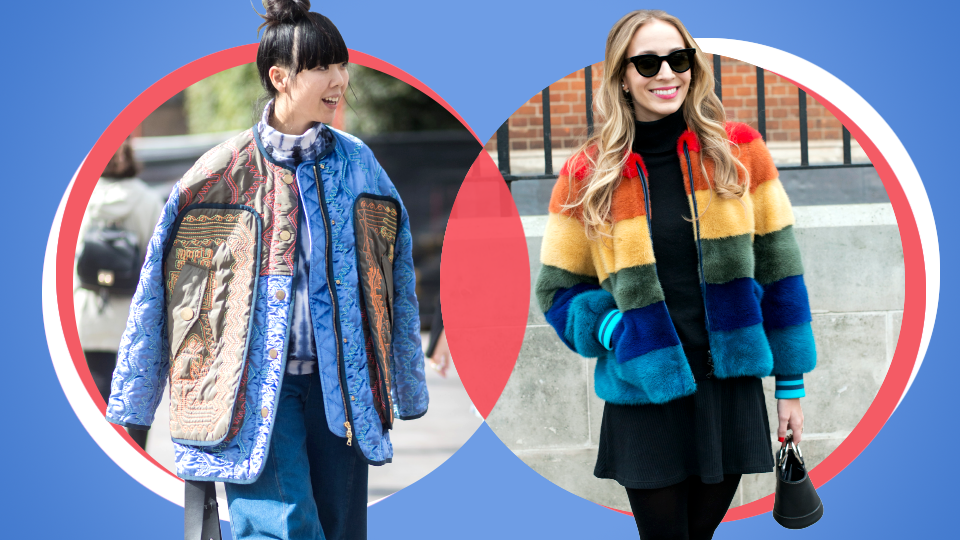
In today’s digital age fashion is fast, at the click of a button you can be watching a front row runway show right from your iPhone, followed by purchase thereafter, the calendars been thrown out as fashion has become transseasonal
By N9467521
In the past the fashion supply chain operated a lot slower than today. New season collections would reach consumers via the pages of magazines months later, the fashion calendar was strict and the industry tightly controlled. In today’s digital age fashion is fast, at the click of a button you can be watching a front row runway show right from your iPhone, followed by purchase thereafter, the calendars been thrown out as fashion has become transseasonal.
Social media has affected fashion in every way possible, and it’s all owed to one massive development that’s affected all of society. The last decade has seen what is considered to be the third industrial revolution, where computers and digital systems have infiltrated all areas of business and daily life. The biggest medium born out of this era was social media, social media are interactive web 2.0 Internet-based applications, which are websites and applications that enable users to create and share content or to participate in social networking. To name a few the biggest platforms in 2019 are Facebook, YouTube, Instagram, Snapchat, Twitter and Pinterest. There are three areas that have seen considerable impact on the fashion industry, the convergence of technologies, the rise of influencer marketing and the new digital skills required for a fashion practitioner to operate in this modernised business model.
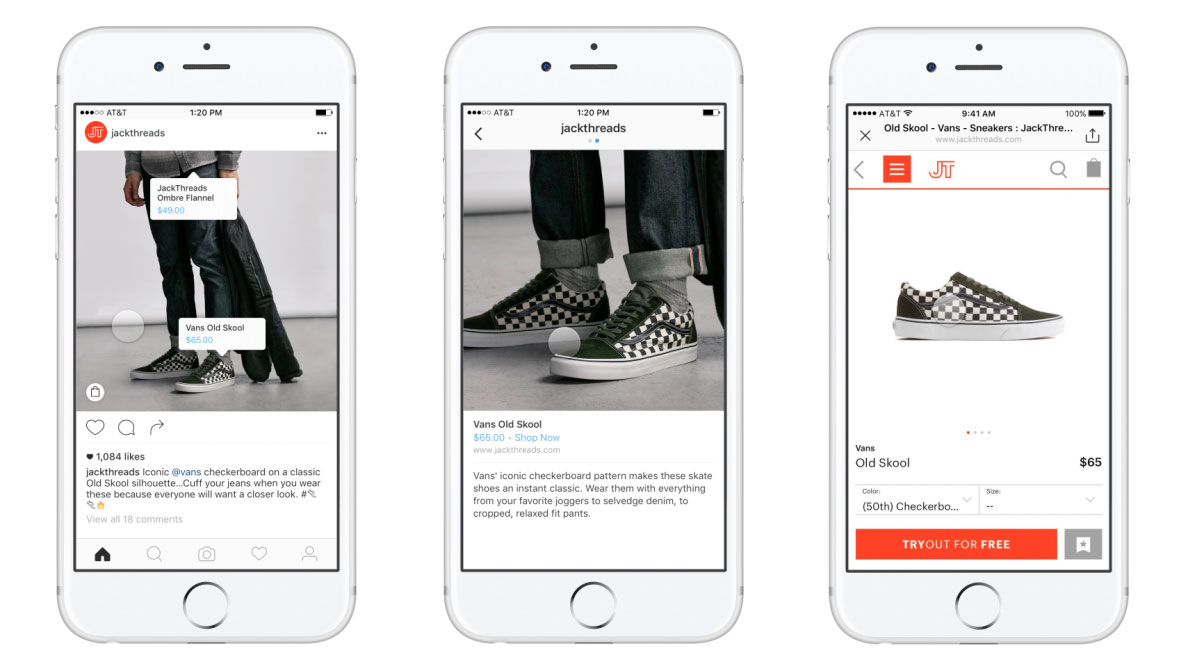
Shoppable Instagram (Influencer Marketing Hub, 2018)
Convergence of Technologies – New Integrated Media Channels
The development of Social media has opened up new media channels that have changed the way the fashion business model operates, with social platforms now prioritised to the forefront of marketing activities. The ability to reach your consumer directly has changed the game. Social media has seen the convergence of several technologies to operate and increase the amount of awareness, sales and impact of a brand. The new media convergence can be described as “the process whereby new technologies are accommodated by existing media communication industries and cultures…and the flow of content across multiple media platforms” (Flew, 2015). The use of social media channels like Facebook or Instagram allow a fashion brand to build a following and engage and audience through sharing entertaining and appropriate content. In numerous studies social media is shown to positively impact a fashion brand, “social media positively influenced customer relationships and purchase intention…previous studies on customer equity have noted that customers can be seen as intangible assets that a firm should wisely acquire, maintain, and maximize like other financial assets” (Kim and Ko, 2010, p.13).
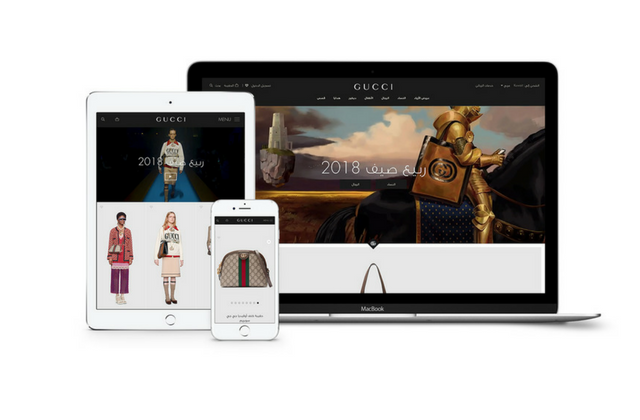
Gucci E-commerce experience (Gucci, 2018)
An integrated approach can be seen with most fashion labels optimising their website as an e-commerce store so consumers can easily purchase products. Through linking all their social channels to the website this fully ensures consumers are able to get their hands-on all the hyped products, through linking to their site via social content. Brands have ensured to integrate all social channels into their marketing strategies. A convergence of technologies is clearly illustrated with Instagram’s latest shoppable feature, where you are able to tag individual products with prices that link you directly from the Instagram page to the brands website. The development of this feature offers consumers even more ease and access to products, “shoppable Instagram posts comes an entirely new retail channel, no more searching or scrolling, just impulsive purchases from audiences on their mobile phones” (Boardman et al., 2019, p.4). The rise of new media channels like Facebook and Instagram allows direct access to the fashion consumer, brands are continually strengthening relationships and finding new ways to utilise and monetise new media channels.
(Eventbrite, 2016)
Influencer Marketing – Networked publics
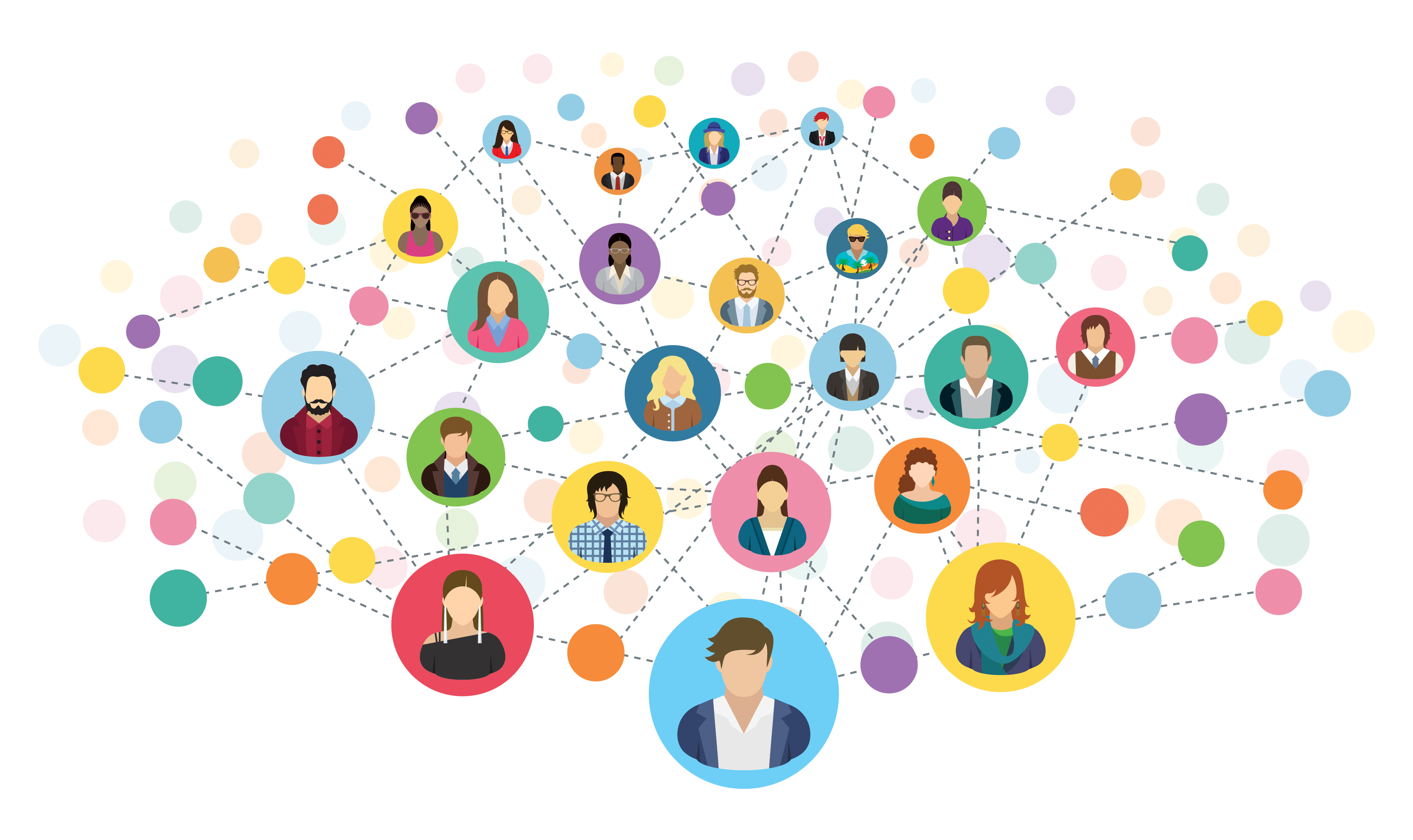
Social media gave birth to the ‘influencer’, an influencer can be described as a “new type of independent third party endorser, who shape audience attitudes through blogs, tweets, and the use of other social media” (Freberg et al., 2011, p. 2). Fashion brands have flocked to influencers to use them as marketing conduits to followers due to the affordances of their networked publics. An influencer’s social following creates a network of publics through commonalities (i.e. lifestyle, value, aesthetic) they share which can be harnessed by a fashion brand, “networked technologies introduce new affordances for amplifying, recording and spreading information…these affordances can shape publics, and how people negotiate with them, they can reshape publics both directly and through practices that people develop to account for these affordances” (Boyd, 2010, p.7). It is common for fashion brands to gift influencers new season stock in hopes to persuade their following to purchase new products through posting content of them wearing the new season fashion styles.
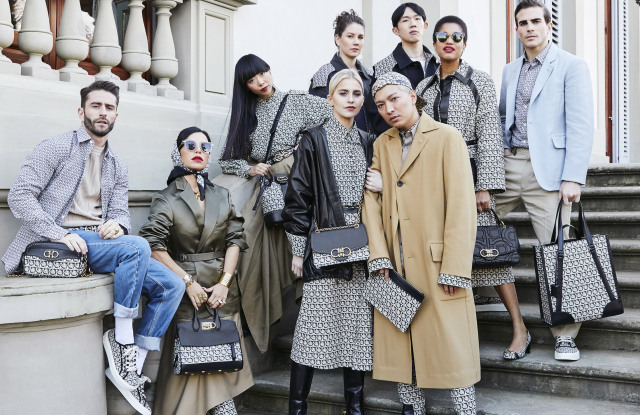
Salvatore Ferragamo tapped several influencers for its Gancini digital project (WWD, 2019)
“84% of millennials stated [they] did not like traditional marketing…58% of young viewers don’t mind watching ads to support their favourite digital personalities” – Adweek, 2019
Brands are even going so far to use influencers in their new season advertising campaigns, with Salvatore Ferragamo showcasing “the digital lives of several international influencers” in their latest campaign (Turra, 2019). A report from Adweek found millennials trust influencers over traditional marketing, “84% of millennials stated [they] did not like traditional marketing…58% of young viewers don’t mind watching ads to support their favourite digital personalities” (Arnold, 2019). This opens up a whole new area of opportunity for brands but also a challenge for fashion marketers. With the rise of social media there has been a saturation of influencers created. There have been issues with marketing influencers, where accounts may possess fake followings or a misjudgement of publics, and the lack of control of information. Scenarios like influencers experiencing scandals or backlash mid campaign could poorly reflect back on the brand. Therefore in order for brands to be successful in influencer marketing, they must thoroughly research the influencers and ensure the brand aligns correctly with the influencers following beliefs and attitudes. The power of the influencer is still growing at meteoric pace, the future might see influencers rivalling the power of celebrities.
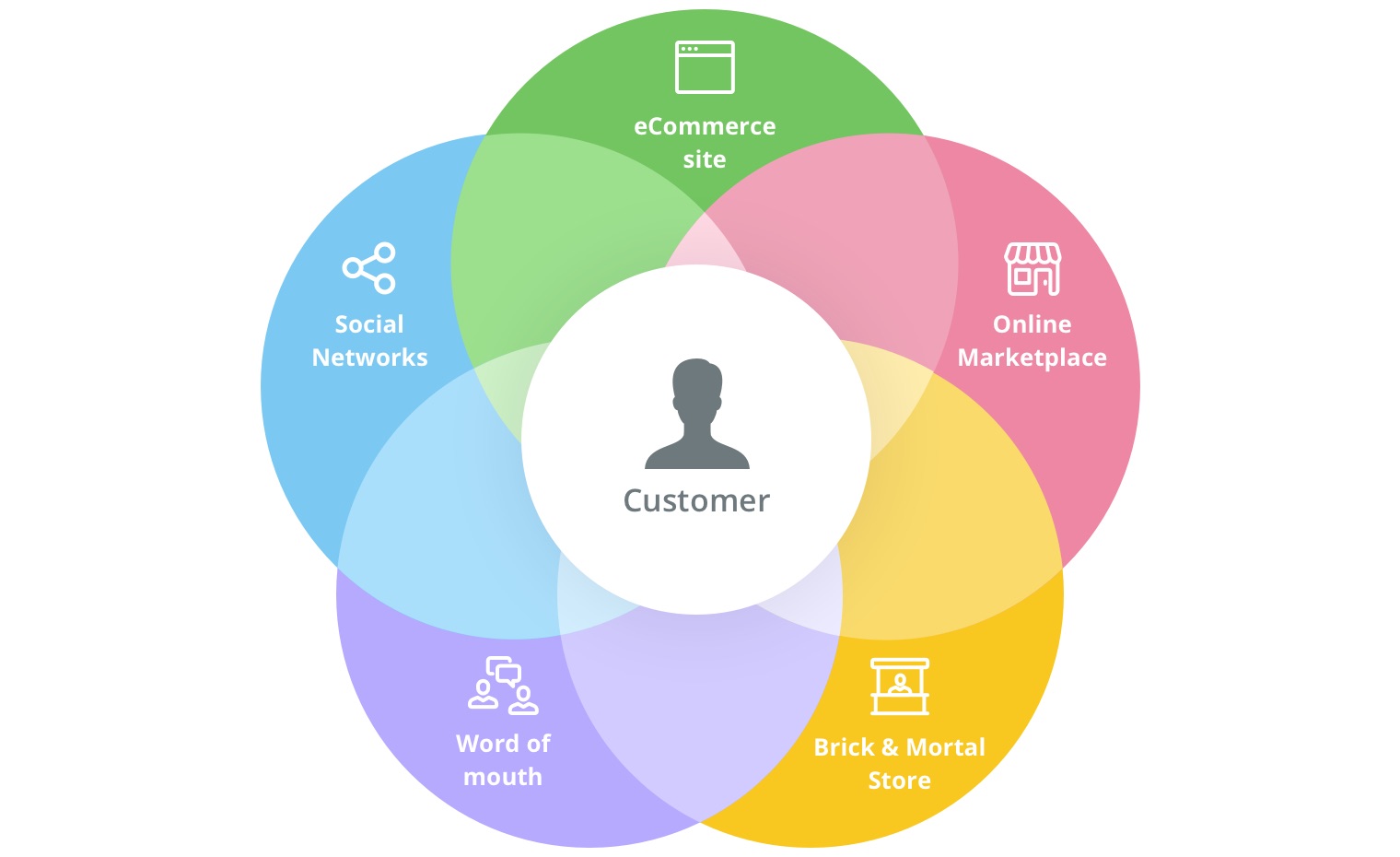
Omni-Channel Marketing (XCart, 2018)
“brands need to personalise all customer communications and rewards across all channels, every experience with a fashion brand online should be tailored to the customer’s profile, location, and browsing and purchasing history” -Distler, 2019
The New Inter-disciplinary Digital Creative
The rise of social and digital media created a need for a new type of practitioner who is a digital native, which can be described as someone who has a “sense of knowledge of what’s going on both digitally and culturally” (Barkho, 2019). Essentially this mean fashion marketers working in the digital space need to know how social media operates, understanding pop culture’s effect on social media and how to successfully execute omni-channel marketing. The digital marketing space in the fashion industry is relatively new, which means understanding the return on investment of marketing through social channels is still yet to be fully understood, a study found “a skills gap [emerged] from the research was the challenge of measuring, monitoring and evaluation, investment in technology demands a ROI, but without commonly adopted benchmarks for evaluating the success of various digital technologies, business are findings this challenging” (Royle and Laing, 2014, p.71). This highlights a challenge for the fashion brands to identify ways to ascertain the efficacy of social media on the brand.
“ultimately it is the creative ideas which will engage our audiences, differentiate our brands and encourage brand favourability and sharing” -Chaffey and Smith, 2017
Social media allows brands to track data and metrics like, reach, impressions and engagement. With these new type of metrics, brands need professionals who can analyse this data and adapt this into their strategy. Leveraging data is an essential skill of the digital fashion marketer, “brands need to personalise all customer communications and rewards across all channels, every experience with a fashion brand online should be tailored to the customer’s profile, location, and browsing and purchasing history” (Distler, 2019).
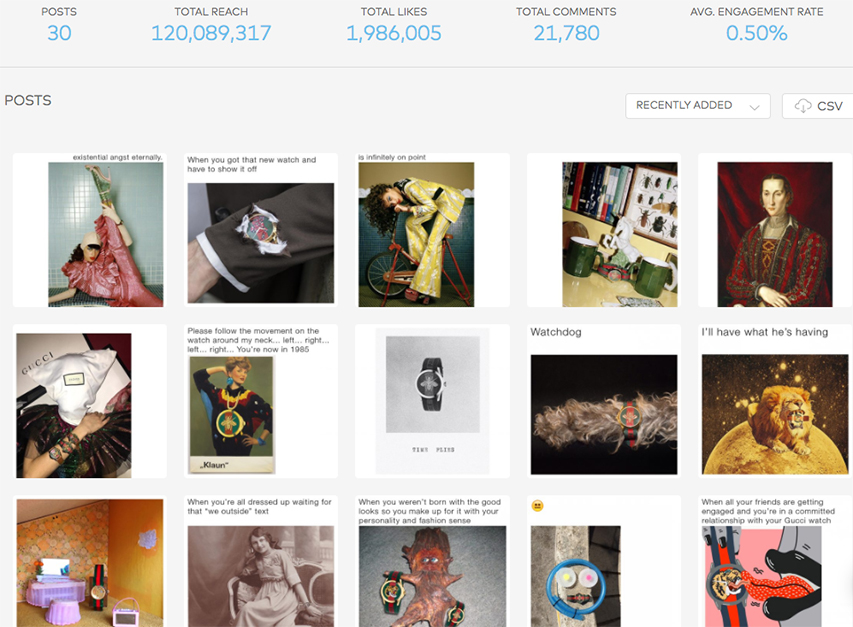
Gucci Memes (Vogue, 2017)
Fashion marketers transitioning into digital marketing need to be extremely creative to capture their audience’s attention, “ultimately it is the creative ideas which will engage our audiences, differentiate our brands and encourage brand favourability and sharing” (Chaffey and Smith, 2017, p.6). This relates to the spreadability aspect of social media, “[spreadability] stresses the technical affordances that make it easier to circulate some kinds of media content than others, the social networks that link people together through the exchange of meaningful bytes, and the diverse motives that drive people to share media.”(Green and Jenkins, 2011, p. 112). An example of this can be the use of viral memes, which infects the audiences and injects the agendas of its producers via the re-sharing and tagging of friends via memes. Gucci realized the power of spreadability in 2017 and enlisted a team of “international meme creators” to help them create a digital advertising campaign (Wallace, 2017). Therefore digital fashion marketers need to understand how use content and the mechanisms of social media (i.e. spreadability) to successful market fashion brands online.
Where to next?
Social media has impacted the fashion industry in all areas, new media channels have opened up allowing direct access to the consumer, influencers are rivalling celebrity power, and fashion marketers need to equip themselves with digital skills to harness the new eco-system. The digital realm is still being understood, however digital infiltration looks to be at no stopping pace anytime soon, with the future moving towards a social media dominated world.
By QUT STUDENT N9467521
References

Arnold, A. (2019). Millennials Hate Ads But 58% Of Them Wouldn't Mind If It's From Their Favorite Digital Stars. [online] Forbes. Available at: https://www.forbes.com/sites/andrewarnold/2018/01/21/millennials-hate-ads-but-58-of-them-wouldnt-mind-if-its-from-their-favorite-digital-stars/#5fe6c92359ca [Accessed 31 Mar. 2019].

Barkho, G. (2019). What exactly makes someone a 'digital native'? A comprehensive guide. [online] Mashable. Available at: https://mashable.com/2016/06/20/what-is-a-digital-native/#HR7QXWJUqmq1 [Accessed 31 Mar. 2019].

Boardman, R., Blazquez, M., Henninger, C. and Ryding, D. (2019). Social Commerce.

Boyd, D. (2010). Social Network Sites as Networked Publics: Affordances, Dynamics, and Implications. New York: Routledge, p.10.

Chaffey, D. and Smith, P. (2017). Digital marketing excellence.

Distler, J. (2019). Dressed for Digital: The Next Evolution in Fashion Marketing. [online] https://www.bcg.com. Available at: https://www.bcg.com/en-au/publications/2018/dressed-for-digital-evolution-in-fashion-marketing.aspx [Accessed 31 Mar. 2019].

Flew, T. (2014). New media. Oxford: Oxford Univ. Press, p.5.

Freberg, K., Graham, K., McGaughey, K. and Freberg, L. (2011). Who are the social media influencers? A study of public perceptions of personality. Public Relations Review, 37(1), pp.90-92.

Green, J. and Jenkins, H. (2011). Spreadable Media: How Audiences Create Value and Meaning in a Networked Economy. The Handbook of Media Audiences, pp.109-127.

Influencer Marketing Hub. (2019). Instagram Shopping – Five Things We Know about Shoppable Posts (And One Thing We Don’t). [online] Available at: https://influencermarketinghub.com/instagram-shopping-photo-tags/ [Accessed 31 Mar. 2019].

Kim, A. and Ko, E. (2010). Impacts of Luxury Fashion Brand’s Social Media Marketing on Customer Relationship and Purchase Intention. Journal of Global Fashion Marketing, 1(3), pp.164-171.

Royle, J. and Laing, A. (2014). The digital marketing skills gap: Developing a Digital Marketer Model for the communication industries. International Journal of Information Management, 34(2), pp.65-73.

StyleCaster. (2019). What’s the Difference Between a Fashion Blogger and an Influencer?. [online] Available at: https://stylecaster.com/what-do-fashion-bloggers-influencers-do/ [Accessed 31 Mar. 2019].

Turra, A. (2019). Salvatore Ferragamo Taps International Influencers for Digital Initiative. [online] WWD. Available at: https://wwd.com/fashion-news/fashion-scoops/salvatore-ferragamo-taps-international-influencers-for-digital-initiative-1202985003/ [Accessed 31 Mar. 2019].

Wallace, F. (2017). Gucci just hired professional meme makers, are now making memes. [online] Vogue. Available at: https://www.vogue.com.au/fashion/news/gucci-just-hired-professional-meme-makers-are-now-making-memes/news-story/7e5e7ffaceda07a65b90fa98c94a99df [Accessed 31 Mar. 2019].
 The Fashion Student Blog